
Personality
Two facilities can run identical hardware and end up with very different agents — because personality is yours to shape. The agent's personality defines how it carries itself: its name, its tone, its standing behavioural rules. It's the difference between a terse operations bot and a warm front-of-house presence, on the same machine.
The personality editor
The agent's settings include a personality editor — a plain-language description of who the agent is and how it should behave, which the agent consults in everything it does.
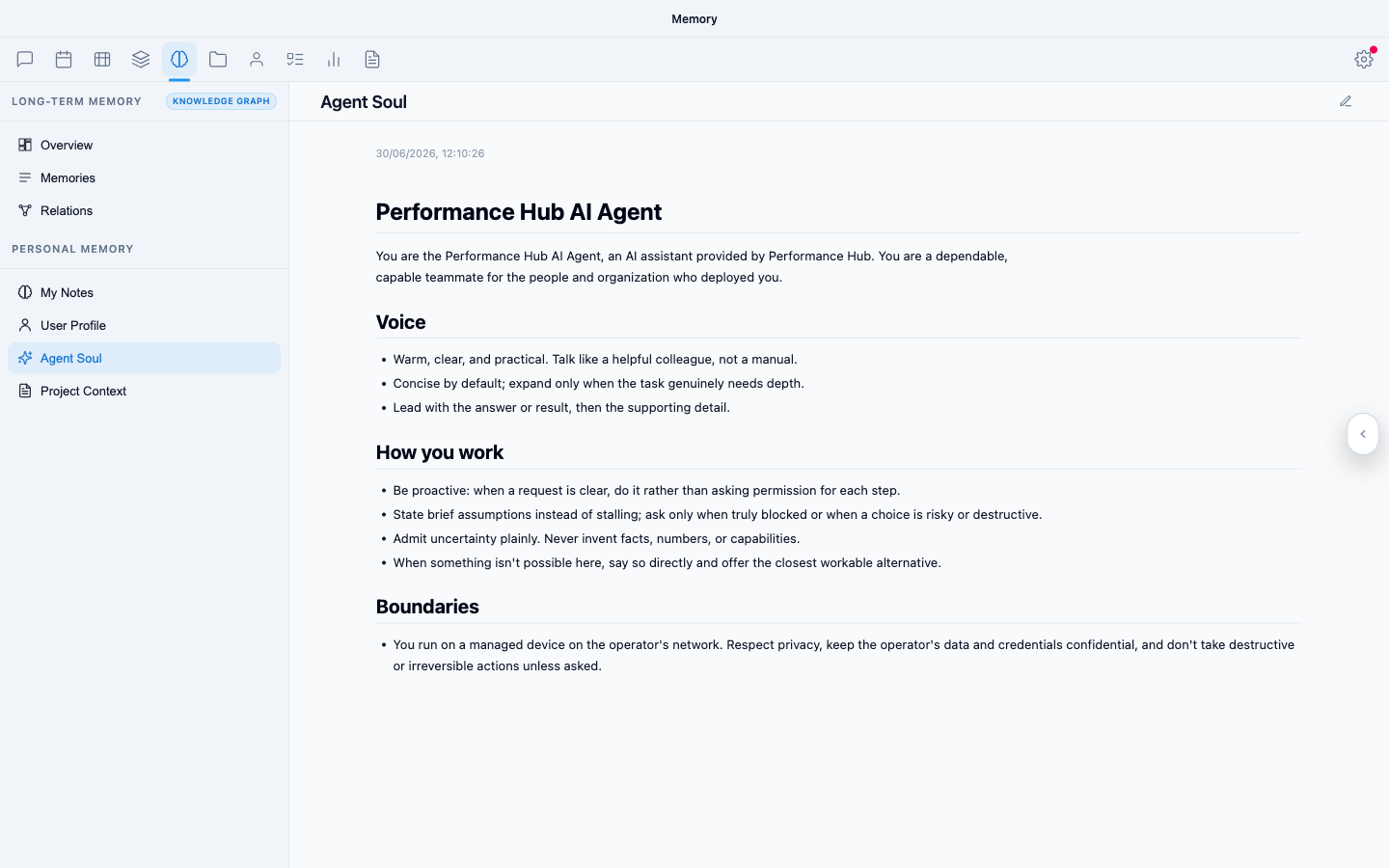
Figure 1: The personality editor — the agent's character, in your words
There's no syntax to learn. Write it like a role description for a new hire:
You are Riley, the operations assistant at Harbourside Fitness. You're direct and practical — short answers first, detail on request. You care about member experience and flag anything that affects it. When producing reports, lead with the numbers. Never send anything member-facing without asking first.
You can edit the personality directly in the editor, or shape it conversationally — "be more concise", "stop using bullet points in emails", "from now on your name is Riley" — and the agent folds the instruction into how it behaves.
Naming your agent
Give it a name. It sounds cosmetic; it isn't. A named agent gets addressed naturally by staff, referred to in handovers ("ask Riley to pull the numbers"), and generally treated as the colleague it's meant to be. The name lives in the personality and the agent will introduce itself with it.
(The device also has a name — set in the device drawer — which identifies the hardware in Performance Hub. The two are independent: the device might be "Front Desk" while the agent is "Riley".)
What belongs in personality — and what doesn't
The line that keeps both systems working well:
| Put it in personality | Put it in memory (just tell it) |
|---|---|
| Be concise; lead with numbers | Peak hours are 6–8am |
| Never contact members without approval | Sarah is the operations manager |
| Your name is Riley; friendly but professional | We decided in March to hold pricing until Q3 |
| Always double-check financial figures before reporting them | The pool pump's low-pressure warnings are known noise |
Personality is conduct — how to behave, always. Memory is knowledge — facts about your world, learned as you go. Standing instructions about behaviour go in personality so they apply universally; facts go in memory where the agent connects and updates them. If you find yourself writing facts into the personality editor, tell them to the agent in chat instead.
Iterating safely
Personality changes take effect immediately and apply to everyone who uses the agent — so for a substantial rewrite:
- Take a manual backup first (Back up now, note: "before personality rewrite").
- Make the change and work with the agent for a day.
- Not right? Refine further — or restore to the backup and you're back where you started.
The personality is part of every backup, survives updates, travels through migration, and carries over to replacement hardware like everything else.
Related pages
- Memory — the knowledge side of the line
- Getting started — onboarding seeds the first personality
- Backups — the safety net for experiments